
Mechanobiology Symposium 2026
MAY 27 – 29, 2026
Weill Hall
Cornell University, Ithaca, NY
Schedule
Wednesday | Thursday | Friday
List of Posters | Parking Information
About
The Mechanobiology Hub Summer Symposium will bring together faculty, postdoctoral researchers, graduate students, and other trainees from Cornell University and neighboring institutions to strengthen and expand our regional mechanobiology community. Rooted in the Hub’s mission, the symposium is designed to connect researchers across disciplines, scales, and systems who share an interest in how mechanical forces shape biology and disease.
The symposium will provide an opportunity to learn about ongoing mechanobiology research spanning cell and molecular biophysics to tissue and organ mechanics, with applications in development, cardiovascular and musculoskeletal biology, cancer, and beyond, highlight shared technologies and expertise, and spark new collaborations and initiatives.
Above all, this meeting aims to build community: to create space for conversation, discovery, and the exchange of ideas among established investigators, early-career researchers, and trainees. By bringing together diverse perspectives in a collegial setting, we hope to identify new opportunities to strengthen the local mechanobiology community, increase its visibility, and to foster the cross-disciplinary partnerships needed to accelerate discovery and innovation in mechanobiology.
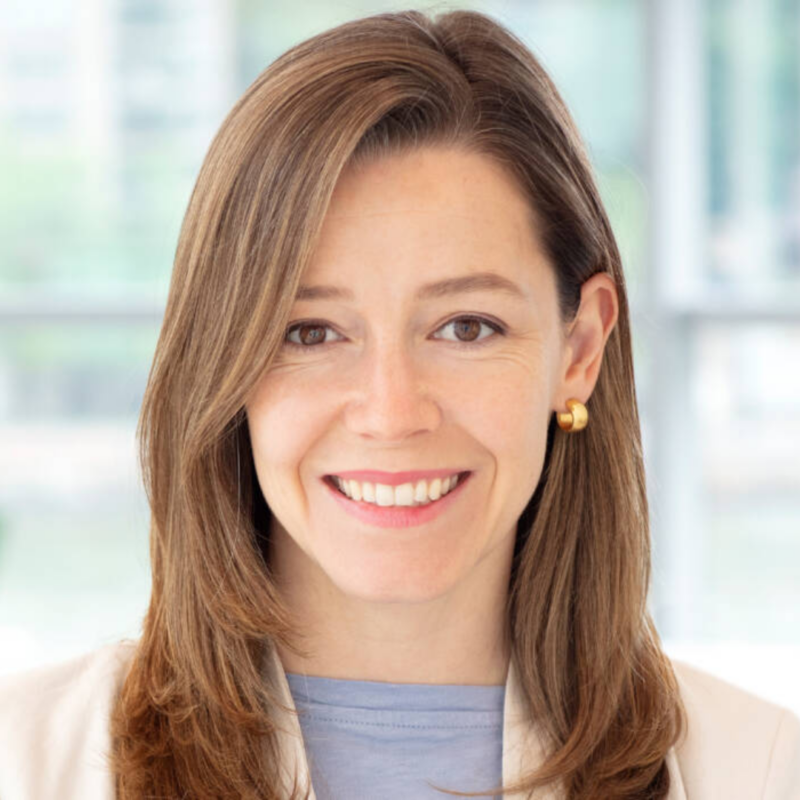
KEYNOTE SPEAKER
Dr. Amy E. Shyer, Ph.D., Associate Professor, The Rockefeller University
“Reciprocally constituting cell–supracellular structures as the generative force of tissue self-organization“
Dr. Shyer heads the Laboratory of Morphogenesis and studies the mechanical forces and molecular cues that guide tissue formation in the developing embryo.
Wednesday, May 27 Schedule
| 12:00 p.m. | Check In & Name Badge Distribution – 1st Floor Atrium |
| 1:00 p.m. | Welcome and Opening Remarks – 226 Weill Hall |
| 1:15 p.m. | Scientific Talks – 226 Weill Hall Moderator: Gening Dong Kayla Wolf (Cornell University) Elucidating drivers of uterine contractility in engineered tissues Chen Cheng (Binghamton University) Low Wall Shear Stress Promotes Atheroma via Arterial Iron Accumulation Julien Morival (Cornell University) Investigating Nuclear Mechanotransduction by Mapping Genome-wide Changes in Transcription and Chromatin Accessibility in Response to Mechanical Stretch Karl Lewis (Cornell University) A novel intravital imaging approach for studying the role of membrane dynamics in bone cell mechanotransduction in mice in vivo Jedidiah Tulu (Syracuse University) Elasticotaxis in Myxococcus xanthus: A Unified Response to Substrate Compression |
| 2:30 p.m. | Coffee Break |
| 3:00 p.m. | Keynote Address – 226 Weill Hall Amy Shyer (Rockefeller University) Reciprocally constituting cell–supracellular structures as the generative force of tissue self-organization |
| 4:00 p.m. | Poster Flash Talks – 226 Weill Hall |
| 4:45 p.m. | Poster Session & Cocktail Hour – 1st & 2nd Floor Atriums View the full list of poster presenters |
| 6:30 p.m. | Dinner – Weill Hall, 1st Floor Atrium |
Thursday, May 28 Schedule
| 8:30 a.m. | Check In & Name Badge Distribution – 1st Floor Atrium |
| 9:30 a.m. | Scientific Talks – 226 Weill Hall Moderator: Si Chen John Zimmerman (Cornell University) Tissue Engineered Microphysiological Systems As Models of Heart Disease Mrinal Pandey (Cornell University) 3D mechanical compression suppresses STAT1/IFN signaling in breast tumor spheroids Duy Nguyen (Moffitt Cancer Center) Physical and metabolic regulators of cancer cell dormancy Brianna Knode (Cornell University) Adipose-mimetic granular hydrogels reveal biophysical cues driving breast cancer invasion Changhao Li (Penn State University) Collective microfibril sliding underlies plant cell wall creep |
| 10:45 a.m. | Coffee Break |
| 11:15 a.m. | Scientific Talks – 226 Weill Hall Moderator: Chia-Jen Chang Michelle Wang (Cornell University) Genome Mechanics: Tension and Torsion during Transcription and Replication Gabrielle Inserra (University at Buffalo) Mechanotherapeutic Potential of Survivin in Glioblastoma Rachel Chen (Cornell University) Multiphysics Modeling of Heterogeneous Biofilm Mechanics Across Spatiotemporal Evolution Nuzhat Faiza Nufa (Syracuse University) Vimentin Regulates Collective Migration and Invasion Under Compressive Stress in 3D-Spheroids |
| 12:15 p.m. | Lunch with working group discussions – View topics and rooms |
| 1:45 p.m. | Reporting from working groups – 226 Weill Hall |
| 2:45 p.m. | Scientific Talks – 226 Weill Hall Moderator: Anna Hazelwood Esak Lee (Cornell University) Tumor lymphatic contractility drives drainage failure and immune exclusion Moumita Das (Rochester Institute of Technology) Rigidity and Resilience of biopolymer networks in cells and tissues Mia Huang (Cornell University) Differential effects of continuous and intermittent salt-inducible kinase inhibition on cortical and cancellous bone responses to mechanical loading |
| 3:30 p.m. | Coffee Break |
| 3:45 p.m. | Scientific Talks – 226 Weill Hall Moderator: Mingming Wu Negin Majedin (Cornell University) Can the Mechanics of Materials Reawaken Antitumor Immunity? Andrew Lombardo (University at Buffalo) Visualization of Myosin-9b processivity in Human cells |
| 4:15 p.m. | Science Speed Dating – 1st Floor Atrium |
| 5:00 p.m. | IthacaFest & Parade – Downtown Ithaca |
Friday, May 29 Schedule
| 8:30 a.m. | Check In & Name Badge Distribution – 1st Floor Atrium |
| 9:00 a.m. | Business meeting (OPTIONAL) – 226 Weill Hall o Future meetings (frequency, sponsorship, conference grants) o Branding and visibility of mechanobiology o Training grants, center grants |
| 9:45 a.m. | Scientific Talks – 226 Weill Hall Moderator: Adrienne Roeder Nelly Andarawis-Puri (Cornell University) The State Decides: Why Tendons Heal or Degenerate Gening Dong (Cornell University) Organotypic slice culture reveals tissue morphodynamics during ventricular myocardial development Aiyana Fortin (Cornell University) Collagen-derived macropeptides rapidly penetrate articular cartilage and associate with extracellular collagen |
| 10:30 a.m. | Coffee Break |
| 11:00 a.m. | Scientific Talks – 226 Weill Hall Moderator: Larry Bonassar Eric Dufresne (Cornell University) Potential roles for biomolecular condensates in mechanobiology Lanxi Hu (Cornell University) Variability Generates Possibilities: Fluctuating Cell Growth Generates Robustness to Flower Morphogenesis Under External Perturbation Colm Kelleher (Syracuse University) Active Liquid Crystal Physics Governs the Collective Behavior of the Spindle Microtubule Network. |
| 11:45 a.m. | Closing Remarks – 226 Weill Hall |
Topics for Working Groups
- Suggestions for future activities for the Mechanobiology Hub
[221 Weill Hall] - How to create more regional interactions/connections/collaborations and raise the profile of the Mechanobiology Hub and regional mechanobiology across campus and at the national level
[224 Weill Hall] - How to encourage interactions between theorists/modelers and experimentalists, using AI in mechanobiology
[226 Weill Hall] - How to encourage cross-kingdom interactions (e.g., between plant science, single cell, animals…)
[321 Weill Hall] - Education, training, career and professional development (inside and outside academia)
[267 Weill Hall] - How can mechanobiology have an impact in the real world? Fostering connections with industry, clinicians, and other application areas
[421 Weill Hall] - New ideas for tool development
[367 Weill Hall] - Outreach to the general public
[467 Weill Hall]
Parking Information
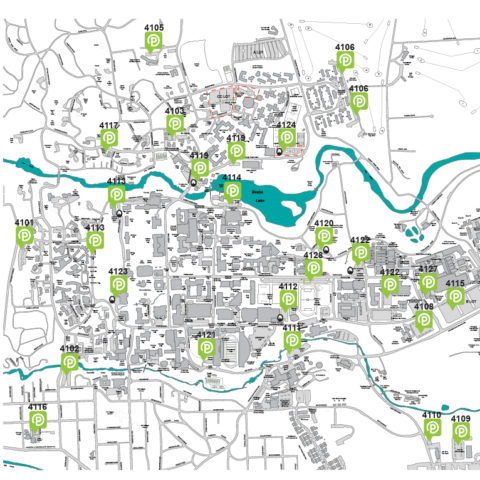
Limited parking is available near the Weill Hall (237 Tower Road, Ithaca, NY 14853) via ParkMobile. Please look for green ParkMobile signs and pay using the ParkMobile app or phone number posted on-site (zone numbers vary by lot).
See Cornell Parking Services for details on using ParkMobile to park on campus and view this map for parking options.
[Zone 4131, Crescent Lot, will likely have the most availability and is just a short walk to Weill Hall]Organizing Committee (Faculty)
- Larry Bonassar: Daljit S. and Elaine Sarkaria Professor, Biomedical Engineering & Professor, Mechanical and Aerospace Engineering
- Jan Lammerding: Professor & Associate Director, Biomedical Engineering
- Adrienne Roeder: Professor, School of Integrative Plant Science, Plant Biology Section
- Mingming Wu: Professor, Biological and Environmental Engineering
Organizing Committee (Students & Postdocs)
- Chia-Jen Chang: Graduate Student, Fischbach Lab, Biomedical Engineering
- Si Chen: Postdoctoral Associate, Roeder Lab, Weill Institute for Cell and Molecular Biology
- Gening Dong: Graduate Student, Butcher Lab, Biomedical Engineering
- Anna Hazelwood: Graduate Student, Lammerding Lab, Biomedical Engineering
Administrative Support
- Jeff Ceria: Administrative Assistant, Faculty Support, Weill Institute for Cell and Molecular Biology
- Stephen D’Angelo: Manager of Research Communications, Biological Systems, Research & Innovation